Sublustrum vs Outcry: Decoding the Mystery Behind the Names and the Upcoming Remake
Explore the fascinating debate of Sublustrum vs Outcry, the history of this surreal point-and-click adventure, and what we know about its 3D remake.
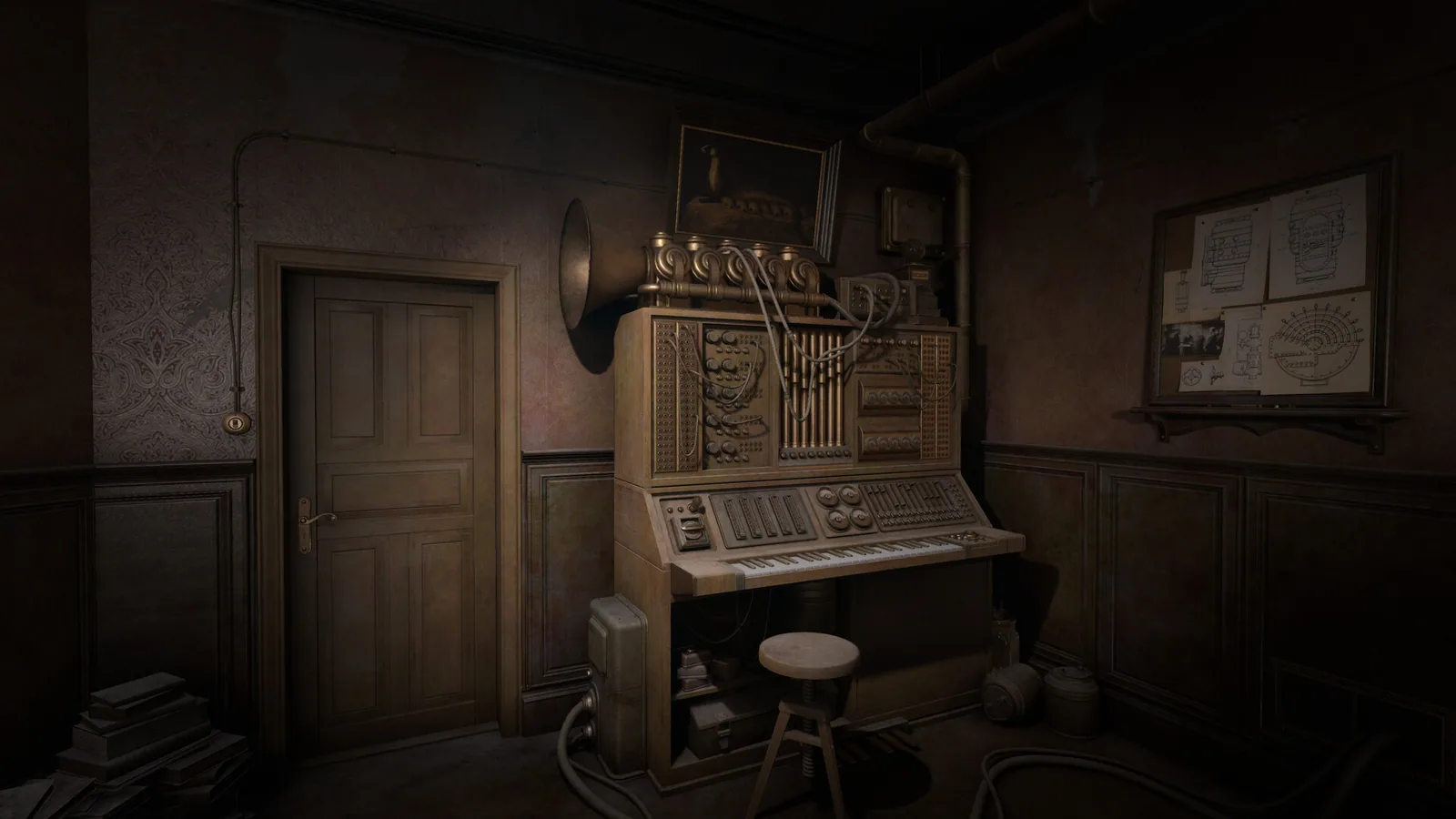
When diving into the history of surreal first-person puzzle games, the conversation surrounding Sublustrum vs Outcry immediately sparks curiosity among point-and-click enthusiasts. Understanding this naming discrepancy is essential for anyone tracking the legacy of Phantomery Interactive's cult-classic psychological thriller.
Whether you remember hunting for pixelated clues in the late 2000s or you are eagerly anticipating the newly announced 3D reimagining, the topic of Sublustrum vs Outcry highlights how localization and regional publishing can completely alter a game's identity. In this deep dive, we will break down the differences between the titles, explore the unique gameplay mechanics, analyze the atmospheric presentation, and look ahead to what the upcoming remake promises to deliver.
Understanding the Naming Mystery: Sublustrum vs Outcry
The confusion between the two titles stems from geographical publishing differences. Developed originally by Russian studio Phantomery Interactive, the game was released under its native Russian title, Sublustrum, in 2008. However, when the game made its way to English-speaking markets, publishers rebranded it as Outcry.
To many fans, this localized title change felt entirely disconnected from the game's actual themes. The term "outcry" evokes generic, fast-paced horror tropes or sudden jump-scare monster chases. In contrast, "sublustrum" carries a much more atmospheric, shadowy, and ethereal connotation that aligns perfectly with the game's exploration of non-linear time and decaying industrial architecture.
| Feature / Detail | Sublustrum (Original Russian Release) | Outcry (English Localization) |
|---|---|---|
| Region | CIS / Russia | International / Western Markets |
| Release Year | 2008 | 2008 |
| Title Meaning | Pertaining to twilight, shadows, or dim light | A public expression of strong disapproval or alarm |
| Voice Acting | Original Russian vocal performances | English dubbed audio tracks |
| Community Perception | Preferred by purists for its poetic resonance | Often viewed as an arbitrary, generic marketing title |
Community reports consistently show that hardcore adventure fans vastly prefer the original moniker. When discussing the upcoming modern revival on the Steam Community Hub for Sublustrum, veterans frequently drop the localized name entirely, cementing the enduring preference for the original title.
Surreal Atmospheres and Industrial Decay
Regardless of which title you use, the game's primary triumph lies in its distinct visual and auditory presentation. Set within a grimy world that blends ancient Eastern European architecture with bizarre, dust-covered industrial contraptions, the environments feel genuinely alive and tactile.
The first chapter introduces players to dilapidated Soviet-style apartment blocks adorned with peeling wallpaper and exposed pipes. These harsh, realistic settings soon give way to reality-bending dimensions known as the shimmering world.
| Environment Stage | Aesthetic Characteristics | Primary Gameplay Focus |
|---|---|---|
| The Apartment | Ancient Soviet buildings, exposed cabling, decaying walls | Initial investigation, uncovering the scientist brother's fate |
| The Contraption Rooms | Dust-covered industrial machinery, complex piping | Reverse-engineering bizarre mechanical puzzles |
| The Shimmering World | Floating islands, distorted gravity, dreamlike decay | Time manipulation and navigating surreal psychological spaces |
According to player experience and developer history, the project originally began as an interactive visual music album crafted around dark ambient, industrial, and neoclassical compositions by the artist AndInjection (known for their later work on Metro 2033). This audio-first design philosophy means that the stunning pre-rendered graphics and the haunting soundscape carry the experience, functioning almost as an artistic installation rather than a traditional narrative-driven video game.
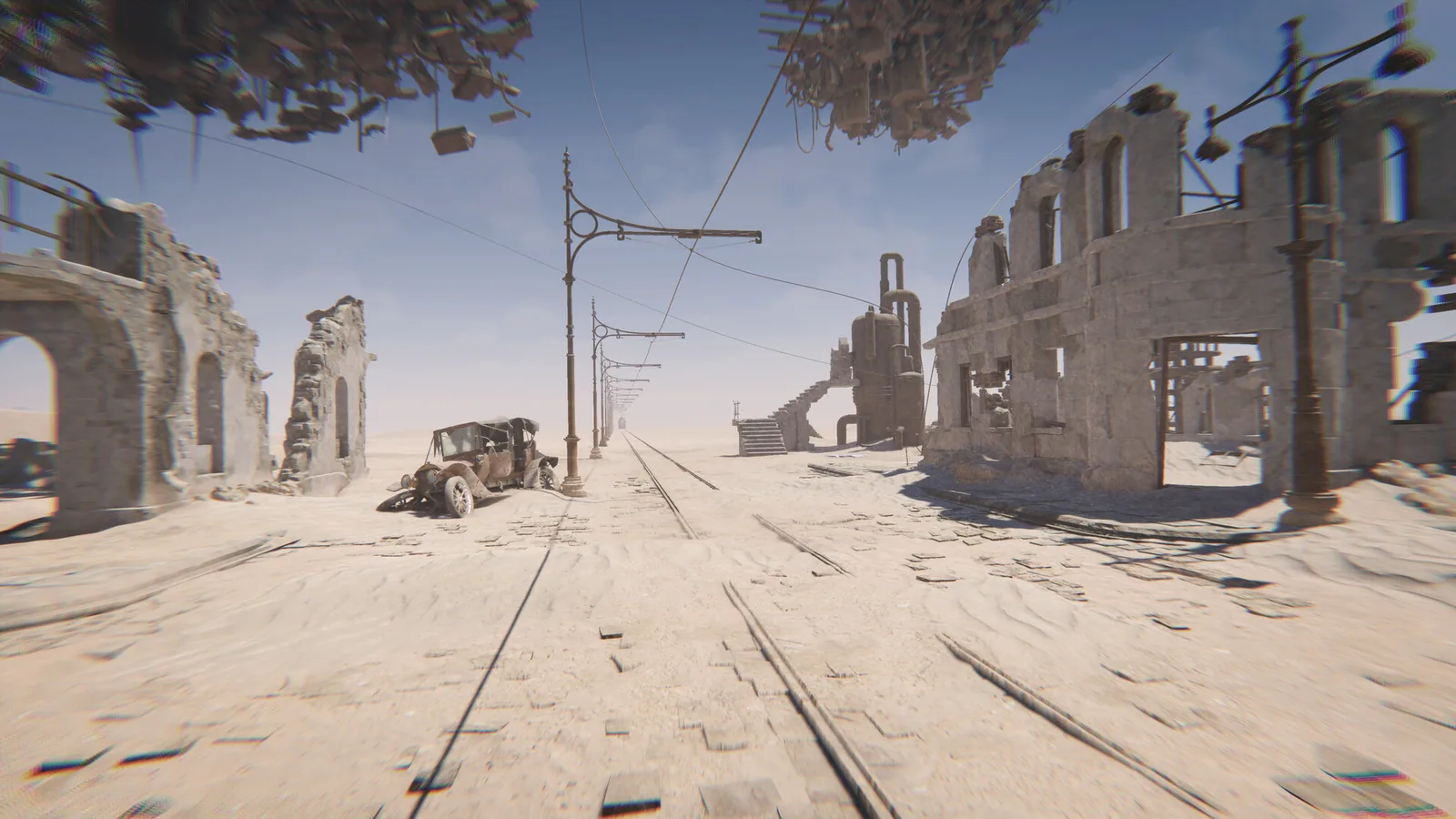
Puzzles, Mechanics, and Player Frustrations
While the aesthetic presentation earns universal praise, the gameplay mechanics and puzzle design have historically divided players. Traditional point-and-click mechanics require players to navigate 360-degree pre-rendered viewpoints, examining intricate details and interacting with peculiar objects.
However, the logic required to progress can sometimes veer into frustrating territory. Unlike modern puzzle games that offer intuitive item combinations or clear quest logs, this title often expects players to experiment through trial and error.
- Non-Intuitive Objectives: Rather than knowing you need a specific tool to open a locked container, players often find themselves flipping random switches and pressing distant buttons just to see what changes in the environment.
- Sound-Based Puzzles: Several late-game challenges rely entirely on audio cues and pitch recognition. Community reports note that players with hearing difficulties or those who are tone-deaf may find these sequences insurmountable without a walkthrough.
- Inventory Management: Certain crucial notes and maps can be permanently missed if pages are closed improperly, occasionally leading to soft-locks that require reloading an earlier save or restarting entirely.
| Puzzle Type | Difficulty Level | Common Player Grievance |
|---|---|---|
| Mechanical Switches | High | Requires tedious back-and-forth backtracking without clear goals |
| Time-Reversal Sequences | Moderate | Timed mechanics that restrict manual movement back to the present |
| Acoustic / Tone Puzzles | Extreme | Requires precise pitch identification and musical tuning |
Despite these hurdles, the game's compact runtime—roughly two hours for those using a guide—keeps the experience from becoming outright torturous. It acts more like a bite-sized surrealist art film than an epic forty-hour RPG.
What to Expect from the Fully Reimagined 3D Remake
The exciting news for adventure game fans is that Phantomery's visionary project is officially making a comeback. Modern updates promise to lift the veil of obscurity that has kept the title trapped on abandonware sites for years.
The upcoming remake transitions away from traditional 2D pre-rendered backgrounds into a fully reimagined 3D engine, bringing modern rendering techniques, widescreen support, and fluid camera controls to the experience.
| Aspect of the Original | Upgrades in the 3D Remake |
|---|---|
| Graphics Engine | Fully realized 3D environments replacing static pre-rendered scenes |
| Display Support | Native widescreen and high-resolution monitor compatibility |
| Availability | Legal digital distribution platforms (returning to storefronts) |
| Quality of Life | Potential modern interface improvements and hint systems |
Community discussions surrounding the remake emphasize how vital it is to make this obscure masterpiece accessible to a new generation of gamers. Whether it retains every single eccentric puzzle design choice or incorporates modern guidance systems remains to be seen, but the return of its haunting industrial aesthetic is universally welcomed.
Frequently Asked Questions
What is the difference between Sublustrum and Outcry?
There is no gameplay or story difference between the two. Sublustrum is the original Russian title, while Outcry is the localized name given to the game for its international English-language release in 2008.
Can I still buy the original 2008 game legally?
For years, the original version has been largely unavailable through traditional digital storefronts, forcing fans to rely on secondary archival sites. However, the upcoming 3D remake aims to bring the experience back to modern platforms legally.
How long does it take to beat the game?
For players relying on a guide or walkthrough, the main experience can typically be completed in under two hours. However, exploring every dark corner and attempting puzzles completely blind can significantly increase that time due to their obscure logic.
Will the remake feature any new content or quality-of-life updates?
While full details are still emerging, the reimagined version is set to feature fully modernized 3D graphics, widescreen support, and optimized performance, making it the definitive way to experience this dark, psychological journey.
Related Guides
Sublustrum 2008 Cult Classic Psychological Adventure Is Getting a Modern 3D Remake
Discover everything about the upcoming Sublustrum 2008 remake, exploring its sound-driven puzzles, psychological horror elements, and modern 3D upgrade.
Sublustrum Original Cult Classic vs. The Upcoming 3D Remake: What to Expect
Explore the legacy of the Sublustrum original cult classic and see how the upcoming 2027 3D remake reimagines its surreal psychological adventure.
Sublustrum Remake: Everything We Know About the Return of the Psychological Adventure Classic
Discover all the details on the upcoming Sublustrum remake. Explore the revamped 3D world, sound-driven puzzles, release date, and developer insights.